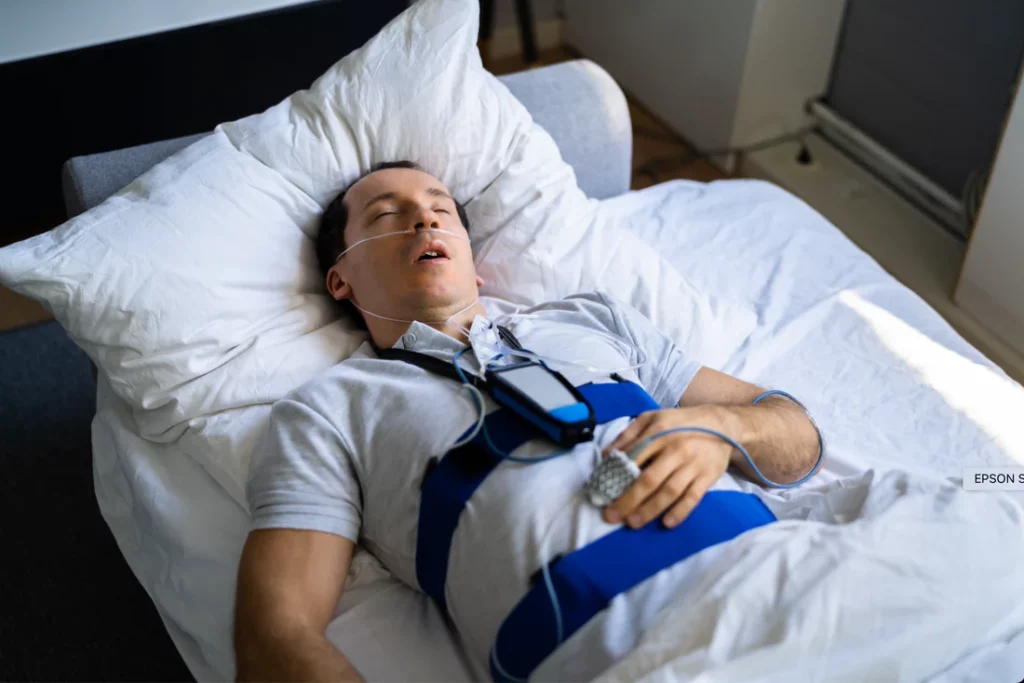
Sleep problems often begin subtly—difficulty falling asleep, feeling tired during the day, or waking unrefreshed. Over time, these symptoms can affect health, focus, and emotional wellbeing. Accurate sleep diagnosis helps move from managing symptoms to finding real solutions by identifying the underlying cause of disrupted sleep and guiding effective treatment.
What Is Sleep Diagnosis and Why It Is Important
Sleep diagnosis is a structured medical process used to determine why normal sleep is being disrupted. Rather than treating tiredness or poor sleep as isolated issues, it focuses on identifying specific sleep disorders that affect rest quality.
This process is important because many sleep conditions share similar symptoms. Without proper diagnosis, treatment may miss the true cause, leading to ongoing problems. Accurate diagnosis ensures care is targeted, effective, and designed for long-term improvement.
Common Sleep Disorders and Their Symptoms
Several sleep disorders can interfere with healthy sleep patterns. Insomnia is characterised by difficulty falling asleep, staying asleep, or waking too early. Sleep apnoea involves repeated pauses in breathing during sleep, often accompanied by loud snoring and daytime fatigue.
Other common conditions include restless legs syndrome, which causes uncomfortable leg sensations at night, and circadian rhythm disorders that disrupt the body’s internal clock. Narcolepsy, though less common, leads to excessive daytime sleepiness and sudden sleep episodes.
How Sleep Disorders Are Identified
Diagnosing sleep disorders requires a combination of clinical assessment and specialised testing to fully understand sleep behaviour and physical responses.
Clinical Evaluation
Diagnosis usually starts with a detailed discussion about sleep habits, lifestyle, medical history, and symptoms. Sleep questionnaires or diaries may be used to identify patterns, triggers, and daytime effects of poor sleep.
Sleep Studies
In-lab sleep studies, also called polysomnography, monitor brain activity, breathing, heart rate, and movement overnight. These studies provide detailed information and are commonly used for diagnosing sleep apnoea and complex sleep disorders.
Home Sleep Tests
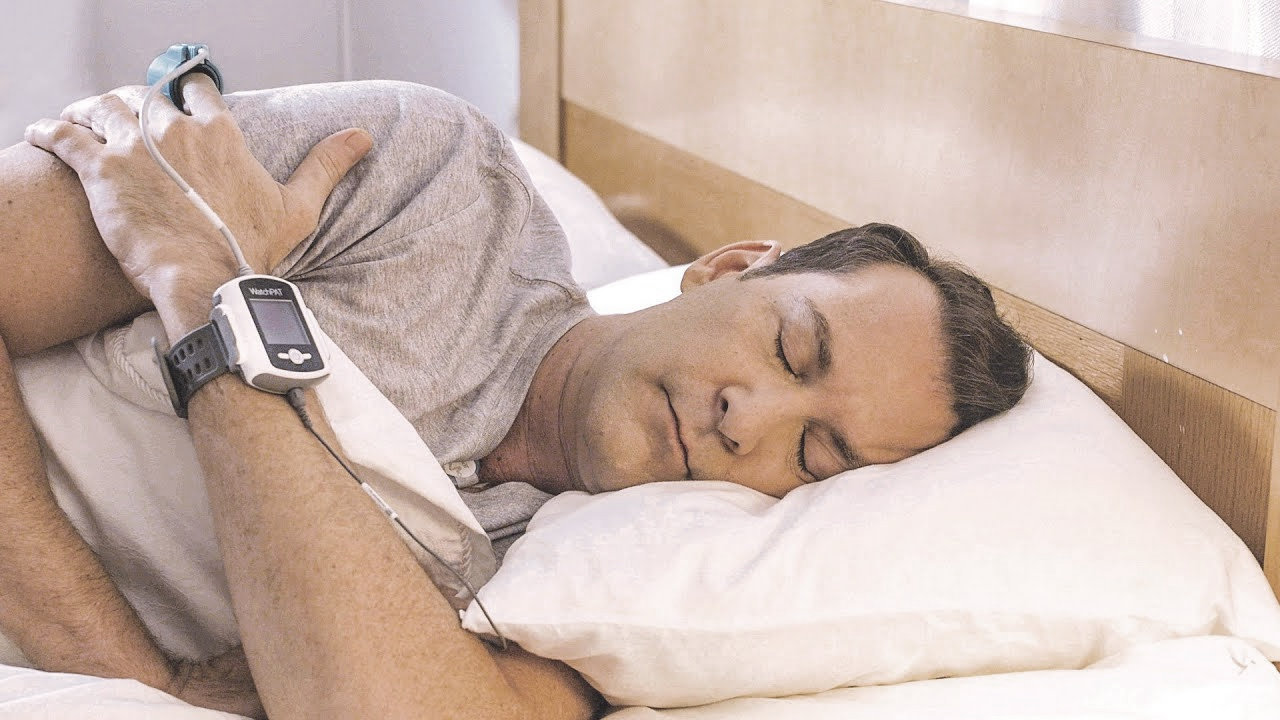
Home sleep testing may be recommended for certain conditions, particularly suspected sleep apnoea. These tests allow individuals to sleep at home while essential data is collected, offering a more convenient diagnostic option when appropriate.
Treatment Options After Diagnosis
Once a sleep disorder is accurately diagnosed, treatment can be tailored to the individual. Behavioural therapies, such as cognitive behavioural therapy for insomnia, focus on improving sleep habits and addressing thought patterns that disrupt rest.
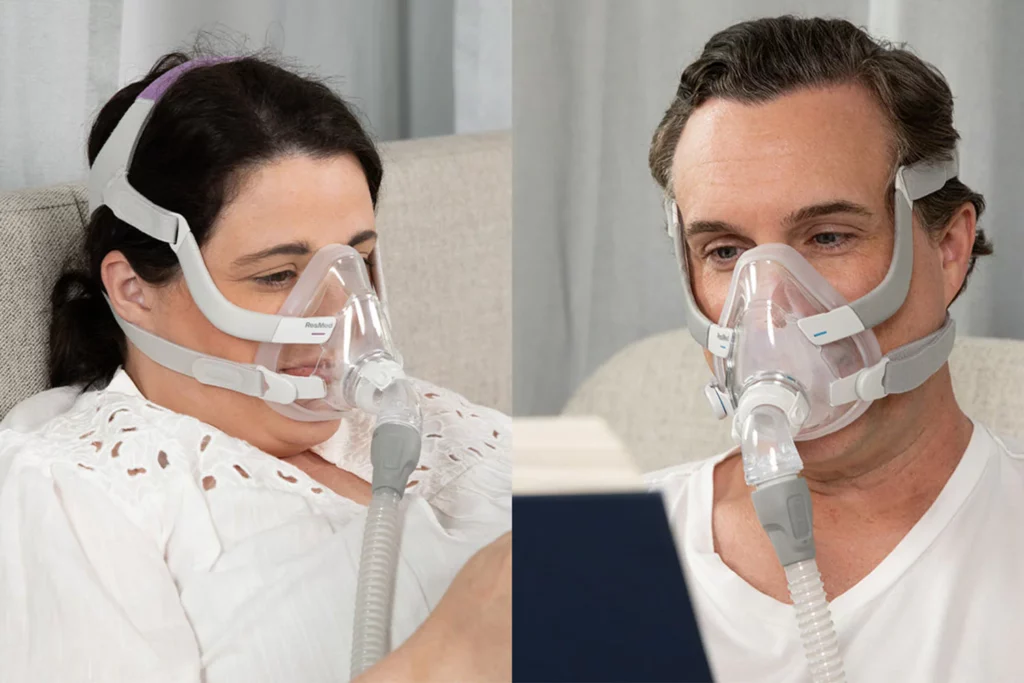
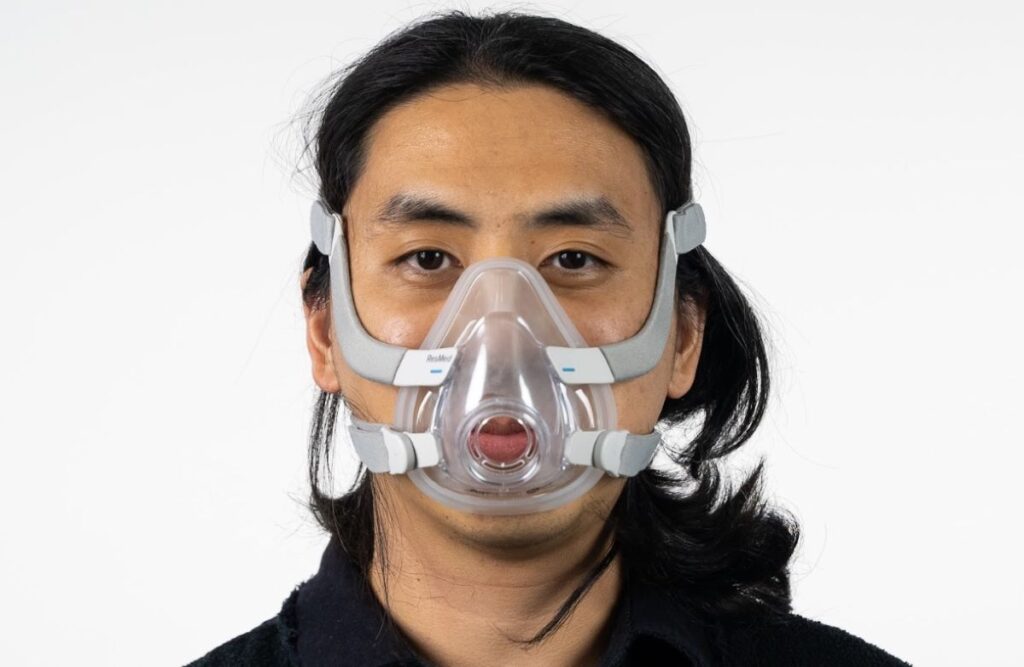
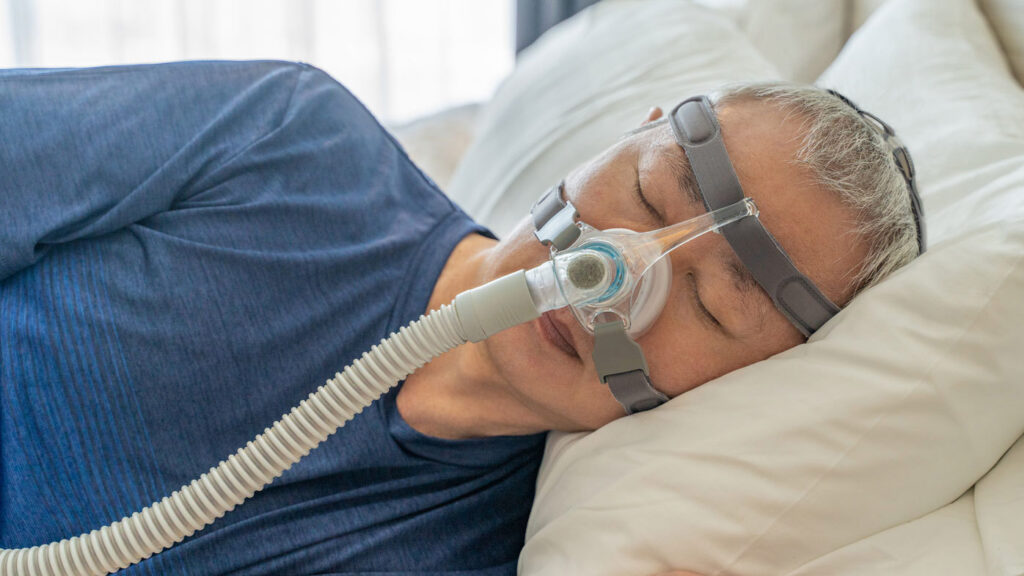
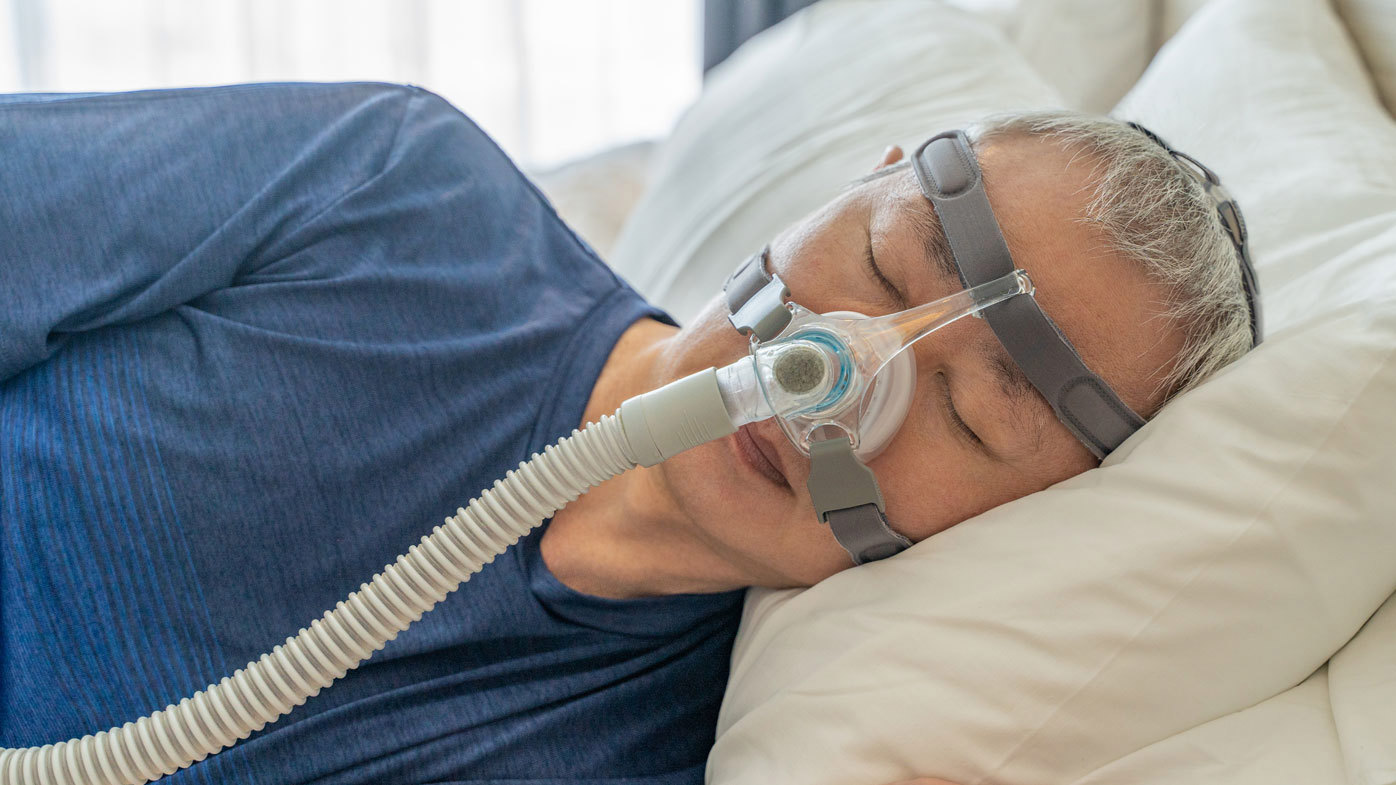
Medical treatments may include CPAP therapy for sleep apnoea, prescribed medications, or supportive devices. Lifestyle changes, including consistent sleep schedules, stress management, and improved sleep environments, often support long-term success.
Benefits of Early and Accurate Sleep Diagnosis
Early diagnosis helps prevent sleep disorders from worsening and reduces the risk of related health problems such as cardiovascular disease, mood disorders, and reduced concentration. It also improves daytime energy, productivity, and overall quality of life.
Accurate diagnosis saves time and frustration by eliminating trial-and-error treatments. When the true cause of sleep problems is identified early, recovery is often faster and more effective.
Conclusion
Accurate sleep diagnosis bridges the gap between ongoing symptoms and meaningful solutions. By identifying the true cause of disrupted sleep, individuals can receive targeted treatment that restores rest and supports long-term health. Seeking professional evaluation early can lead to better sleep, improved wellbeing, and a more balanced daily life.
Frequently Asked Questions (FAQs)
Why is it important to diagnose sleep problems instead of self-treating them?
Self-treating sleep problems may temporarily ease symptoms but often fails to address the underlying cause. Accurate diagnosis identifies the specific disorder responsible, allowing targeted treatment. This approach prevents ongoing sleep disruption and reduces the risk of long-term health issues linked to untreated sleep conditions.
Can multiple sleep disorders exist at the same time?
Yes, it is possible to have more than one sleep disorder. For example, insomnia and sleep apnoea can occur together. A comprehensive sleep diagnosis helps identify overlapping conditions, ensuring that treatment addresses all contributing factors rather than focusing on just one issue.
How does sleep diagnosis improve long-term health?
Proper sleep diagnosis helps reduce the risk of chronic conditions such as heart disease, diabetes, anxiety, and depression. Treating sleep disorders improves sleep quality, which supports immune function, emotional balance, and cognitive performance over time, leading to better overall health outcomes.
Are sleep diagnosis tests safe for older adults?
Yes, sleep diagnostic tests are generally safe for older adults. They are non-invasive and closely monitored. Accurate diagnosis is especially important as sleep disorders become more common with age and can significantly impact health, mobility, and daily functioning if left untreated.
Can lifestyle changes alone replace the need for a sleep diagnosis?
While healthy sleep habits are important, they may not resolve underlying medical sleep disorders. Diagnosis helps determine whether lifestyle changes are sufficient or if medical treatment is needed. This ensures individuals receive appropriate care rather than relying solely on general sleep advic
The use of medical marijuana has sparked significant interest in recent years, particularly for those suffering from chronic pain. For many individuals who have struggled with traditional treatments, cannabis has become a transformative alternative. What began as a treatment option for conditions like arthritis, fibromyalgia, and nerve damage is now a catalyst for advocacy, with many patients sharing their powerful recovery stories.
In this article, we explore the growing role of medical marijuana in chronic pain management. We’ll take a closer look at the science behind how cannabis works, the benefits of using it over traditional painkillers, and hear firsthand experiences from individuals who have transitioned from patients to vocal advocates of this treatment.
Introduction to Chronic Pain: A Global Epidemic
Chronic pain is a condition that impacts millions of people worldwide. Defined as pain that persists for months or even years, it can result from a variety of underlying causes such as arthritis, fibromyalgia, nerve damage, back pain, and migraines. Unlike acute pain, which typically subsides after the body heals, chronic pain remains long after an injury or illness has healed, significantly affecting the quality of life for those who suffer from it.
Many people with chronic pain find themselves trapped in a cycle of ineffective treatments and medications. For some, over-the-counter painkillers and prescription drugs only provide temporary relief, and they often come with side effects that make long-term use unsustainable. In fact, the overuse of opioids, which are often prescribed for chronic pain, has contributed to the ongoing opioid crisis. As a result, many patients are turning to alternative treatments like medical marijuana to manage their pain in a safer, more sustainable way.
Overview of Medical Marijuana for Pain Management
Medical marijuana is derived from the cannabis plant and contains compounds called cannabinoids, most notably THC (tetrahydrocannabinol) and CBD (cannabidiol). These compounds interact with the body’s endocannabinoid system (ECS), which is involved in regulating various functions such as pain, mood, and appetite. By binding to receptors in the ECS, cannabinoids can help reduce pain and inflammation, offering significant relief for chronic pain sufferers.
Unlike recreational marijuana, which is typically used for its psychoactive effects, medical marijuana is specifically cultivated and regulated for therapeutic purposes. It contains higher levels of CBD, which is non-psychoactive, and varying amounts of THC, which has pain-relieving properties but also produces a “high.” This combination offers patients targeted relief without the extreme effects associated with recreational cannabis use.
The Science Behind Medical Marijuana: How It Works
The two primary cannabinoids that are most often used in medical marijuana treatments for chronic pain are THC and CBD. Both work through the body’s endocannabinoid system to provide relief, but they do so in different ways:
1. THC: Pain Relief and Relaxation
THC, the compound responsible for marijuana’s psychoactive effects, can bind to CB1 receptors in the brain and nervous system, which helps reduce pain, stimulate appetite, and promote relaxation. Studies have shown that THC can be particularly effective for nerve pain, muscle spasms, and inflammation.
One 2018 study published in the Journal of Pain found that patients using THC reported a significant reduction in their pain levels, particularly those with neuropathic pain conditions like multiple sclerosis and spinal cord injury. When used in moderation, THC can also help reduce anxiety and promote better sleep, which is often disrupted by chronic pain.
2. CBD: Anti-Inflammatory and Pain-Reducing
CBD, on the other hand, is non-psychoactive and does not produce a “high.” It’s widely researched for its anti-inflammatory and pain-relieving properties. CBD can interact with CB2 receptors in the immune system, which helps reduce inflammation and pain without causing the cognitive effects associated with THC.
A 2016 review in the European Journal of Pain highlighted that CBD was effective in reducing pain and improving sleep for people suffering from arthritis. CBD can also help reduce inflammation, making it especially useful for those with autoimmune conditions and inflammatory diseases.
Together, THC and CBD provide a comprehensive approach to managing chronic pain, addressing both physical symptoms and mental health concerns such as stress and anxiety.
Scientific Evidence Supporting Medical Marijuana for Pain Relief
Numerous studies have demonstrated the efficacy of medical marijuana in treating chronic pain. A 2015 study published in the Journal of Pain showed that cannabis use was associated with a significant reduction in pain and an increase in quality of life for individuals suffering from various chronic pain conditions, including arthritis, fibromyalgia, and spinal cord injury.
Additionally, clinical trials involving cannabinoids have shown that medical marijuana can help reduce the need for opioid use. A 2018 study in JAMA Internal Medicine found that patients using cannabis for chronic pain were able to reduce their opioid consumption significantly, with many reporting a decrease in pain intensity and an improvement in sleep quality.
Benefits of Medical Marijuana Over Traditional Painkillers
When compared to traditional pain medications, such as opioids or over-the-counter anti-inflammatory drugs, medical marijuana offers several distinct advantages:
1. Lower Risk of Addiction and Dependency
Opioids, while effective for short-term pain relief, come with a significant risk of addiction and overdose. Medical marijuana, in contrast, has a much lower risk of dependency, especially when used under medical supervision. Research suggests that cannabis has a far lower abuse potential than opioid medications and is far less likely to lead to overdose.
2. Fewer Side Effects
Traditional pain medications like opioids and NSAIDs (nonsteroidal anti-inflammatory drugs) often come with serious side effects, including gastric bleeding, kidney damage, and liver toxicity. Medical marijuana, particularly CBD, is generally well-tolerated, with side effects typically limited to dry mouth, drowsiness, and occasional dizziness.
3. Potential for Improved Mental Health
Chronic pain can be mentally and emotionally draining, leading to depression and anxiety. Unlike traditional painkillers, medical marijuana may also improve mood, reduce anxiety, and help individuals manage the mental toll of chronic pain, which is why many patients find it an effective, holistic treatment option.
Real Patient Stories: From Patients to Advocates
For many individuals, the transition from patient to advocate is a natural one. When they experience firsthand the positive effects of medical marijuana, they feel compelled to share their stories and encourage others to consider this alternative treatment. Here are a few real-life experiences:
Emma’s Story: Emma, a 42-year-old with fibromyalgia, had spent years trying various medications, but nothing seemed to work. After starting medical marijuana, she noticed a significant improvement in her pain levels, and for the first time in years, she felt like she could live her life again. “It was a game-changer for me,” Emma says. “I went from being unable to function to feeling like I could take on the world. Now, I’m not just a patient—I’m an advocate for others who need this treatment.”
John’s Experience: John, a veteran with chronic back pain from years of physical labor, had been prescribed opioids for over a decade. Concerned about the long-term effects, he began using medical marijuana under his doctor’s guidance. “It was like a veil had been lifted. I had better pain relief, less anxiety, and no more worrying about addiction,” says John. He now works with organizations to help veterans access medical marijuana for pain management.
These personal stories highlight the life-changing impact of medical marijuana on chronic pain sufferers and underscore why many patients have become passionate advocates for this treatment.
Legal and Accessibility Issues
While medical marijuana has been legalized in many regions, access to it is still restricted in some areas. The legal status of medical marijuana varies widely across different countries and even within states in the U.S. Patients must often navigate complex regulations and obtain a medical prescription to legally use cannabis for pain relief.
It’s crucial for patients to consult with a healthcare provider before beginning treatment with medical marijuana. A doctor can help determine if cannabis is appropriate, ensure proper dosing, and monitor for any potential side effects.
Conclusion
As more individuals with chronic pain explore alternative treatments, medical marijuana is increasingly seen as a safe, effective, and non-addictive option. For many, it’s not just a treatment; it’s a lifeline that allows them to reclaim their lives from the shackles of chronic pain.
The stories of patients-turned-advocates emphasize the transformative power of cannabis in pain management, and as research continues, the benefits of medical marijuana are likely to grow even more apparent. For those considering this alternative, it’s essential to seek guidance from a healthcare professional to ensure the right approach to treatment.
FAQS
What is chronic pain, and how does it affect daily life?
Chronic pain is pain that persists for months or years, often due to conditions like arthritis or nerve damage. It can severely affect mobility, mood, and everyday tasks, leading to a diminished quality of life for many individuals.
How does medical marijuana help with chronic pain?
Medical marijuana works by interacting with the body’s endocannabinoid system to reduce pain, inflammation, and muscle spasms. It contains compounds like THC and CBD, which target pain receptors to alleviate discomfort.
Is medical marijuana safer than opioid painkillers?
Yes, medical marijuana has a much lower risk of addiction and overdose compared to opioids. It offers an effective alternative for long-term pain management without the dangerous side effects of opioid use.
Can medical marijuana replace traditional pain medications?
Medical marijuana can significantly reduce pain and improve quality of life, but it may not replace all traditional medications. It should be part of a comprehensive treatment plan designed by a healthcare provider.
Are there any side effects of using medical marijuana for pain management?
Common side effects of medical marijuana include dry mouth, dizziness, and drowsiness. These side effects are typically mild and can be managed with proper dosage under the guidance of a healthcare professional.
Finding a mask that seals well and feels natural is often the difference between sticking with therapy and giving up. This guide revisits what matters most for fit, comfort, and performance, with Australian sleepers, climates, and buying options in mind.
What makes the Best CPAP Masks in Australia worth buying?
The Best CPAP Masks in Australia are the ones that match the user’s breathing style, sleep position, and pressure needs while staying comfortable for hours. In practice, that means a stable seal, minimal pressure points, and a design that suits how they actually sleep, not how a product photo suggests they should.
The “best” mask is rarely universal. It is usually the best match.
Should they choose nasal, nasal pillow, or full-face designs?
They should choose based on whether they breathe through the nose, the mouth, or both at night. Nasal pillows suit many side sleepers and people who dislike bulky frames, while nasal masks suit those who want a bit more stability around the nose.
Full-face masks are often better for habitual mouth-breathers or anyone who regularly wakes with a dry mouth, especially during colder Australian winters when indoor air can feel drier.
Which top-rated brands are most trusted in Australia?
In Australia, the most commonly recommended and widely stocked brands include ResMed, Fisher & Paykel, Philips Respironics, and BMC. Availability matters because easy access to replacement cushions and headgear keeps therapy consistent.
Many Australians also prefer brands with local support, clear warranty pathways, and strong compatibility across major CPAP machines used in clinics and home setups.
Why does ResMed remain a leading choice locally?
ResMed is strongly represented in Australia, and many users appreciate the combination of quiet operation and practical mask engineering. Their masks often focus on lightweight frames, flexible tubing connections, and cushions designed to reduce leaks when they move.
When people talk about the Best CPAP Masks in Australia, ResMed models frequently appear because replacements are easy to source through Australian CPAP suppliers and many sleep clinics.
Which ResMed masks are commonly praised for comfort?
ResMed’s AirFit and AirTouch ranges are widely discussed for comfort-focused design. AirFit cushions typically use silicone, while AirTouch cushions use memory foam that some users find gentler on the bridge of the nose.
For many, comfort comes down to small details like softer contact points and stable headgear that does not need to be overtightened to hold a seal.
What makes Fisher & Paykel masks different for Australian sleepers?
Fisher & Paykel masks are often chosen for their emphasis on fit variability and comfort across different face shapes. Their designs frequently focus on reducing pressure and accommodating movement without constant readjustment.
For Australians dealing with hot nights, some users also prefer masks that manage moisture well, especially if they run humidification and want to reduce condensation and dampness.
Which Fisher & Paykel options suit side sleepers best?
Side sleepers often do best with low-profile designs and stable, flexible frames. Fisher & Paykel’s nasal and pillow options are commonly considered because they tend to avoid bulky forehead supports and can sit more naturally when the face presses into a pillow.
For people seeking the Best CPAP Masks in Australia, side-sleeper friendliness is often a deciding factor, not a bonus feature.
Are Philips Respironics masks still a good option in Australia?
They can be, particularly for users who already know they like the brand’s headgear feel or cushion style. Philips Respironics masks are stocked in Australia through various suppliers, although specific availability can vary by model and state.
The key is making sure they can easily replace the exact cushion and headgear size they need, rather than settling for “close enough”.
What should they know about BMC and other value-focused brands?
BMC and similar brands can appeal to Australians who want solid performance without premium pricing. They are often used as alternative options when a user wants a different cushion feel or needs a backup mask.
The trade-off may be fewer brick-and-mortar fitting options, so sizing and return policies matter more. A careful fit check is essential if they are ordering online.
How do they know if a mask actually fits properly?
A good fit is a stable seal at their typical pressure, without needing to crank the straps tight. They should test the mask while lying in their real sleep position, because facial contours change when they recline.
If the mask leaks only when they roll to the side, they may need a different style or a different cushion size, not more strap tension.
What are the most common comfort issues, and how can they fix them?
The usual complaints are leaks into the eyes, nose bridge soreness, facial marks, and dryness. Many of these issues are solved by changing cushion size, switching mask type, or adjusting humidification rather than forcing the same mask to work.
If they keep chasing the seal by tightening straps, comfort usually gets worse, and leaks often return once the cushion deforms.
Does humidification matter for mask comfort in Australia?
Yes, especially in air-conditioned homes, dry inland areas, or during winter heating. Humidification can reduce dryness and irritation, which helps many users tolerate therapy long-term.
However, too much humidity can cause rainout, which is when moisture collects in the tube or mask. A heated tube, insulation, or slightly lower humidity settings can help.
How should they choose a mask if they breathe through their mouth?
If they breathe through the mouth regularly, a full-face mask is often the simplest solution. Some people try a chin strap or mouth tape with a nasal mask, but comfort and safety vary, and they should follow clinical advice.
For mouth-breathers looking for the Best CPAP Masks in Australia, the most reliable outcome usually comes from a well-fitted full-face mask with a stable seal at their prescribed pressure.
Which masks tend to work better at higher CPAP pressures?
Higher pressures usually demand a more stable seal and a cushion that holds shape well. Some users find that full-face masks or more structured nasal masks perform better than minimal-contact pillows at higher settings, but it depends on facial structure and movement.
They should also consider how the exhalation vents feel because stronger airflow can be more noticeable at higher pressure.
What should they prioritise if they sleep on their side or stomach?
They should prioritise minimal bulk, a flexible hose connection, and a cushion that does not shift when pressed into a pillow. Side sleepers often benefit from nasal pillows or compact nasal masks, while stomach sleepers may need the lowest-profile option possible.
A CPAP-friendly pillow can also help by creating space for the mask and reducing pushback that causes leaks.
How can they reduce leaks without overtightening the headgear?
They can start by reseating the cushion with the machine running, then gently adjusting straps in small steps. Many masks seal best when slightly loose, because the cushion inflates and settles into place.
If leaks persist, it is often a sizing issue or a mask-style mismatch. The Best CPAP Masks in Australia are rarely the ones they have to fight every night.
What features matter most for long-term comfort?
Over the long term, comfort comes from consistent seal, easy cleaning, and parts that are affordable to replace in Australia. Quiet venting, soft headgear, and fewer pressure points keep users wearing the mask for the full night.
Users should also consider clip systems and magnetic fasteners if they remove the mask during the night, as convenience affects compliance.
How often should they replace cushions, headgear, and frames?
Replacement timing depends on wear, cleaning habits, and oils on the skin, but cushions generally need replacing more often than frames. They should watch for loss of seal, visible wear, or a cushion that feels tacky or stiff.
Because Australian stock and pricing vary by supplier, they should check local replacement schedules and availability when choosing among the Best CPAP Masks in Australia.
Where can they buy CPAP masks in Australia with confidence?
They can buy through Australian CPAP retailers online, sleep clinics, and some pharmacies that stock CPAP accessories. The safest path is choosing a seller with clear sizing guidance, easy access to replacement parts, and fair change-of-mind or exchange options.
If possible, an in-person fitting can save weeks of frustration, especially for first-time users.
Should they consider trial programmes and mask-fit guarantees?
Yes, because comfort is personal and early failure is common when the first mask is a poor match. Many Australian suppliers offer trial periods, swap options, or fitting support that helps users find the right style.
A trial option is particularly valuable when they are choosing between nasal and full-face designs, or when they are unsure about sizing.
What are the top comfort picks to revisit in 2026?
The most revisited comfort picks tend to be lightweight nasal pillows for minimal contact, stable nasal masks for balanced support, and modern full-face masks designed to reduce nose-bridge pressure. Brands like ResMed and Fisher & Paykel remain popular in Australia due to broad support and easy parts access.
When compiling lists of the Best CPAP Masks in Australia, the consistent winners are usually the ones that combine stable sealing with low-friction comfort and simple upkeep. Check out more about Resmed Masks magnets.
How can they decide between “top rated” and “right for them”?
They should treat ratings as a shortlist, not a final answer. A five-star mask for a back sleeper can be a terrible choice for a side sleeper, and a “premium” model can still fail if the cushion shape does not suit their face.
The best approach is to match mask type to breathing style first, then refine by fit, comfort features, and Australian replacement part availability.
What is the simplest shortlist to start with?
A simple shortlist includes one nasal pillow option, one nasal mask option, and one full-face option from a widely supported Australian brand. That gives them a clear comparison without getting lost in dozens of models.
For many first-time users, that step alone narrows the search for the Best CPAP Masks in Australia to a manageable, practical decision they can test and refine.
What factors make the Best CPAP Masks in Australia worth buying?
The Best CPAP Masks in Australia are those that align with the user’s breathing style, sleep position, and pressure requirements while offering comfort for extended use. Key features include a stable seal, minimal pressure points, and a design tailored to actual sleep habits rather than idealised product images.
How do I choose between nasal, nasal pillow, or full-face CPAP mask designs?
Choice depends on your breathing patterns during sleep. Nasal pillows suit many side sleepers and those preferring less bulky frames; nasal masks provide more stability around the nose; full-face masks are ideal for habitual mouth-breathers or those who wake with dry mouth, especially in colder Australian climates where indoor air can be dry.
Which CPAP mask brands are most trusted and widely available in Australia?
In Australia, leading and commonly recommended brands include ResMed, Fisher & Paykel, Philips Respironics, and BMC. These brands offer good local support, warranty options, compatibility with major CPAP machines, and easy access to replacement cushions and headgear to ensure consistent therapy.
Why is ResMed considered a leading choice for CPAP masks in Australia?
ResMed is popular locally due to its quiet operation and practical mask engineering. Their masks typically feature lightweight frames, flexible tubing connections, and cushions designed to reduce leaks during movement. Additionally, ResMed products are readily available through Australian suppliers and sleep clinics.
Which ResMed mask ranges are praised for comfort by Australian users?
ResMed’s AirFit and AirTouch ranges receive high praise for comfort-focused designs. AirFit cushions use silicone material while AirTouch cushions employ memory foam that is gentler on the nose bridge. Comfort often comes from softer contact points and stable headgear that doesn’t require overtightening to maintain a seal.
What makes Fisher & Paykel CPAP masks suitable for Australian sleepers?
Fisher & Paykel masks emphasise fit variability and comfort across diverse face shapes. Their designs reduce pressure points and accommodate movement without frequent adjustments. For Australians experiencing hot nights, these masks manage moisture effectively when using humidification, reducing condensation and dampness for improved comfort.
What Is the Aerobika OPEP Device and How Does It Work?
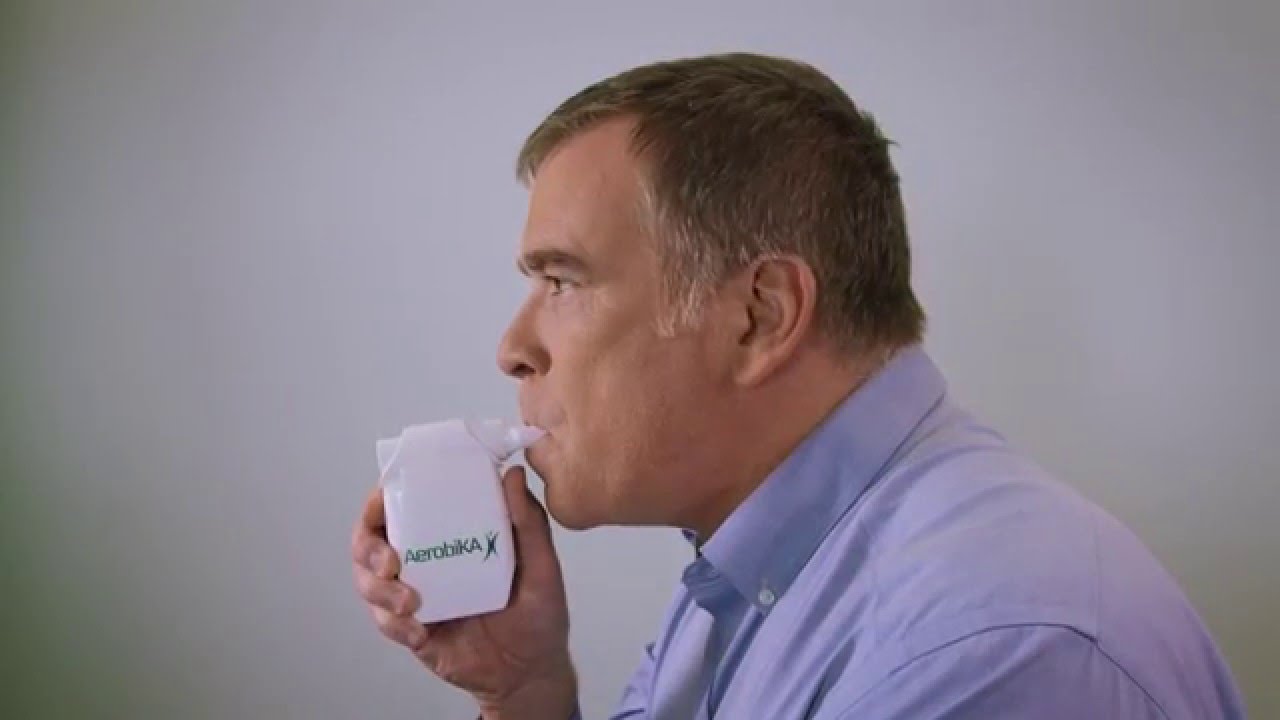
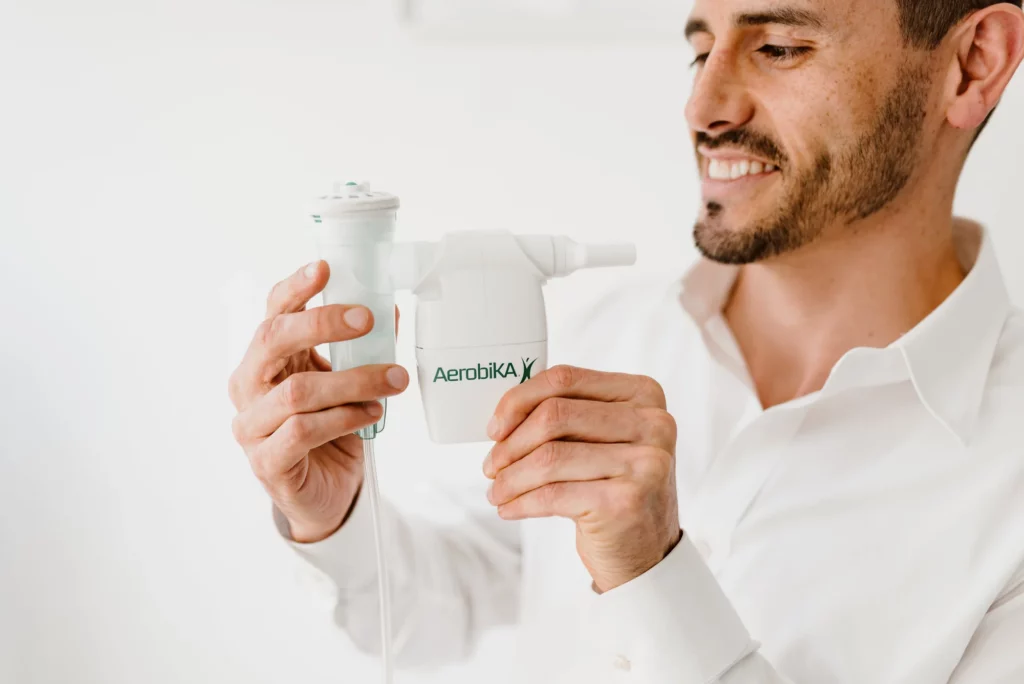
The Aerobika OPEP device is a handheld respiratory device that helps clear mucus from the airways through oscillating positive expiratory pressure technology. This drug-free tool assists people with chronic lung conditions by making it easier to breathe and expel trapped mucus.
How Does the Aerobika Work?
Oscillating positive expiratory pressure (OPEP) combines two therapeutic mechanisms in one device. When you exhale through the Aerobika, it generates back-pressure that keeps airways open while simultaneously creating rapid vibrations. These vibrations travel through your airways at frequencies between 15-35 Hz, depending on your resistance setting.
The device works through a simple yet effective process:
Positive pressure prevents weak or collapsed airways from closing during exhalation
Combined action thins secretions and moves them toward larger airways where they can be coughed out
How Does the Aerobika Help Clear Mucus?
During exhalation, air passes through the valve cartridge, which contains a rotating cone. This cone interrupts the airflow repeatedly, creating the characteristic vibrations you feel. The pressure builds up behind the mucus plugs, breaking them apart and reducing their viscosity. This dual-action mechanism transforms stubborn mucus into a consistency that’s easier to clear through natural coughing, improving overall lung function and breathing quality.
Who Can Benefit from Using the Aerobika OPEP Device?
The Aerobika OPEP device serves patients with chronic respiratory conditions that produce excess mucus. Individuals diagnosed with COPD, bronchiectasis, cystic fibrosis, asthma, and other lung diseases experience significant benefits of Aerobika therapy as part of their daily management routine.
Benefits for COPD Patients
COPD treatment with the Aerobika addresses one of the condition’s most challenging symptoms—persistent mucus buildup that narrows airways and makes breathing difficult. The device’s oscillating pressure helps patients maintain clearer airways without relying solely on medications.
Benefits for Bronchiectasis Patients
People with bronchiectasis face damaged, widened airways that trap mucus and increase infection risk. The Aerobika’s vibrations reach deep into these compromised airways, mobilizing stubborn secretions that would otherwise remain lodged in damaged tissue.
Benefits for Cystic Fibrosis Patients
Cystic fibrosis patients produce abnormally thick, sticky mucus that clogs airways and creates a breeding ground for bacteria. The device’s positive pressure and oscillations work together to thin this dense mucus, making it manageable enough to expel through coughing.
Benefits for Lung Disease Patients
The device excels at opening weak or collapsed airways—a common problem in advanced lung diseases. By maintaining positive pressure during exhalation, it prevents premature airway closure and keeps breathing passages open longer.
This drug-free airway clearance method complements existing treatments rather than replacing them. Patients notice improved breathing quality, reduced shortness of breath, and better exercise tolerance as their lungs function more efficiently with regular use.
What Are the Main Components of the Aerobika OPEP Device?
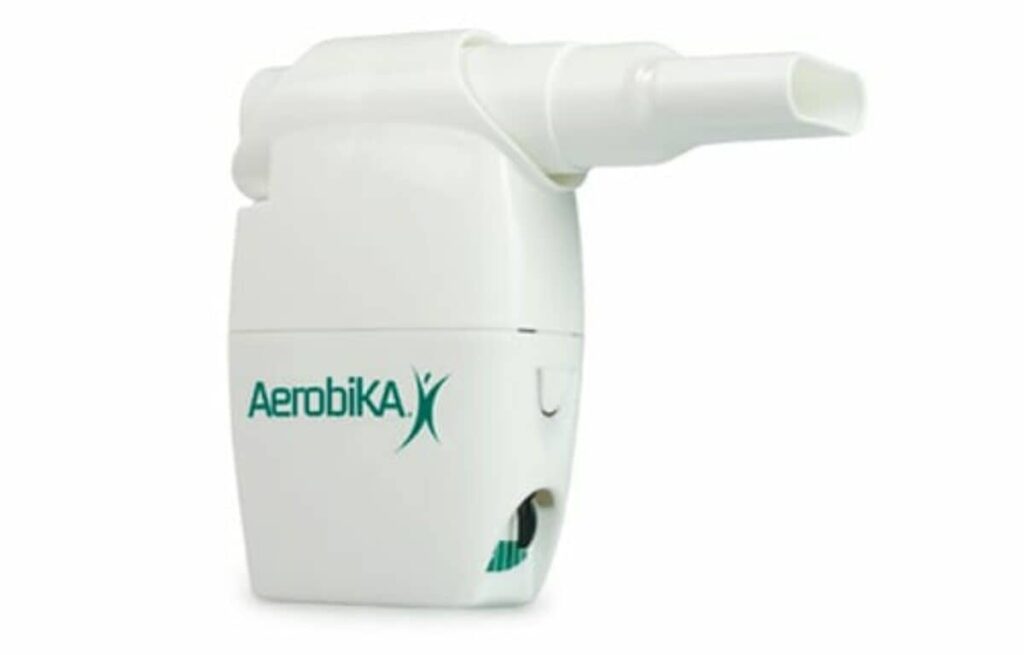
The Aerobika device consists of four essential Aerobika parts that work together to deliver effective airway clearance therapy.
The mouthpiece serves as the interface where users place their lips to create a tight seal during exhalation.
The protective case houses all internal components and provides structural support for the device.
The valve cartridge represents the core technology, containing the internal mechanism that generates oscillating vibrations as air passes through during exhalation.
This component creates the therapeutic pressure waves that loosen mucus from airway walls.
The resistance indicator displays five numbered settings (1-5) that allow users to adjust the pressure level.
Each resistance setting determines how much effort is required during exhalation:
Lower settings (1-2): Easier breathing, suitable for beginners or those with severe airway limitations
Medium settings (3): Balanced resistance for most users
Higher settings (4-5): Greater pressure generation for advanced therapy needs
This adjustable resistance system enables personalized therapy tailored to individual lung capacity, disease severity, and treatment goals. Healthcare providers typically recommend starting at lower settings and gradually increasing resistance as tolerance improves.
How Should Users Properly Set Up and Use the Aerobika OPEP Device?
Proper Aerobika setup instructions begin with correct body positioning. Sit upright in a chair with your feet flat on the floor to optimize lung expansion and airway clearance during therapy sessions.
The breathing technique follows a specific pattern for maximum effectiveness, similar to the Active Cycle of Breathing Technique:
Inhale deeply through your nose, filling your lungs completely
Hold your breath for 2-3 seconds to allow air distribution throughout the airways
Place the mouthpiece between your lips, creating a tight seal
Exhale actively through the device for 3-4 seconds while feeling the vibrations
Repeat this cycle for 10-20 breaths per session
You should feel gentle vibrations or oscillations during exhalation—this indicates the device is working properly to loosen mucus. After completing the breathing cycles, perform 2-3 strong coughs to expel loosened secretions from your airways.
For patients using bronchodilators or nebulizer therapy, how to use Aerobika device becomes a two-step process. Administer your prescribed medication first, wait 5-10 minutes for the airways to open, then proceed with your Aerobika session. This sequence enhances mucus clearance by allowing the medication to reach deeper into relaxed airways before mechanical clearance begins.
Most respiratory therapists recommend two to three sessions daily, adjusting frequency based on mucus production and individual needs. Click here to get more about best CPAP masks in Australia.
Why Is Cleaning the Aerobika Device Important and How Should It Be Done?
Proper device hygiene prevents bacterial growth and respiratory infections that could worsen lung conditions. Respiratory devices that contact saliva and mucus create ideal environments for pathogens without regular cleaning Aerobika device protocols.
Daily Cleaning Procedure:
Disassemble all four components immediately after use
Wash each part in warm water with liquid dish soap
Rinse thoroughly under running water to remove soap residue
Shake off excess water and place parts on clean towel to air dry completely
Weekly Disinfection Options:
Boiling method: Submerge parts in boiling water for 5 minutes
Microwave steam bags: Follow manufacturer’s instructions for steam sterilization
Chemical soak: Immerse in 70% isopropyl alcohol or 3% hydrogen peroxide for 30 minutes
Never reassemble the device while parts remain damp, as moisture promotes bacterial growth. These Setup & Cleaning Tips for disinfecting respiratory devices ensure safe, effective therapy sessions. Store the dried, assembled device in a clean, dry location between uses to maintain optimal hygiene standards.
What Are the Contraindications and Safety Precautions for Using the Aerobika Device?
The Aerobika device isn’t suitable for everyone—certain medical conditions require avoiding its use to prevent complications. Individuals with high intracranial pressure exceeding 20 mm Hg or experiencing hemodynamic instability should not use this device, as the positive pressure could worsen their condition.
Recent surgical procedures present significant risks. Anyone who has undergone facial, oral, or skull surgery or trauma must wait until fully healed before starting Aerobika therapy, as the pressure generated during exhalation could disrupt healing tissues.
Several respiratory and related conditions require caution:
Acute sinusitis can worsen with pressure changes; it’s important to note that this condition is commonly associated with antibiotic overuse according to CDC guidelines.
Active hemoptysis (bleeding from lungs or nose) may intensify
Untreated pneumothorax poses serious risks when combined with positive pressure
Tympanic membrane rupture or other ear problems can cause pain or damage
Severe nausea may trigger vomiting during device use
Patients unable to tolerate increased breathing effort or those with difficulty following instructions should consult their healthcare provider before using the Aerobika. Understanding these Aerobika contraindications and safety precautions respiratory devices require ensures effective, risk-free therapy.
How Does the Aerobika OPEP Device Support Natural Airway Clearance at Home or in Clinical Settings?
The Aerobika OPEP device enables effective natural airway clearance without requiring hospital visits or complex equipment. Patients with chronic lung conditions can perform therapy independently at home, maintaining consistent respiratory care between medical appointments.
Benefits of Aerobika for Home Respiratory Therapy
Home respiratory therapy becomes manageable through the device’s straightforward design:
No power source or batteries required
Portable enough to travel anywhere
Simple operation after initial instruction
Fits seamlessly into morning and evening routines
Benefits of Aerobika for Clinical Use
The clinical use Aerobika extends beyond standalone treatment. Respiratory therapists integrate it with bronchodilators, allowing medications to penetrate deeper into clearer airways. When combined with nebulized treatments, the device enhances drug delivery by removing mucus barriers first.
How Daily Use of Aerobika Benefits Lung Health
Daily incorporation strengthens lung health through:
Consistent mucus mobilization preventing buildup
Reduced risk of respiratory infections
Decreased breathlessness during activities
Better medication effectiveness
This complementary approach to respiratory care empowers patients to actively manage their condition, reducing emergency interventions while maintaining optimal lung function through regular, controlled therapy sessions.
As cannabis continues to gain legal and social acceptance around the world, the conversation around medical marijuana and recreational cannabis has become more nuanced. While both come from the same plant, their purposes, compositions, and regulations are vastly different. Understanding these differences is crucial for patients, healthcare professionals, and anyone curious about how cannabis is reshaping modern medicine.
Medical marijuana is more than just a cultural trend — it’s a legitimate therapeutic option supported by growing scientific evidence. From pain relief to seizure control, its benefits have transformed treatment for many chronic conditions. But how does it differ from recreational cannabis? Let’s explore the science, legality, and medical realities behind both.
What Is Medical Marijuana?
Medical marijuana refers to cannabis or its chemical compounds (primarily THC and CBD) used to treat or manage specific health conditions under medical supervision. It’s prescribed by licensed physicians and dispensed through regulated medical channels.
Unlike recreational cannabis, medical marijuana is developed with precise ratios of cannabinoids to target symptoms effectively while minimizing psychoactive effects. For instance, a patient with chronic pain may be prescribed a high-CBD, low-THC strain to relieve discomfort without feeling “high.”
Regulations differ worldwide. In the United States, over 30 states permit medical marijuana use with a valid prescription. In Australia and Canada, it’s tightly regulated and available only through licensed healthcare providers.
The therapeutic effects of cannabis come from its interaction with the endocannabinoid system (ECS) — a complex cell-signaling network that helps regulate pain, mood, sleep, and immune response.
Cannabinoids like THC (tetrahydrocannabinol) and CBD (cannabidiol) bind to specific receptors (CB1 and CB2) in the body, influencing various physiological functions.
THC primarily affects CB1 receptors in the brain, leading to euphoria or relaxation.
CBD interacts more with CB2 receptors in the immune system, providing anti-inflammatory and calming effects without intoxication.
This interaction helps explain why cannabis can relieve pain, reduce anxiety, and even assist in neurological disorders like epilepsy and multiple sclerosis.
Key Medical Uses and Benefits
Medical marijuana is increasingly recognized for its ability to alleviate symptoms of chronic and debilitating conditions. Some of the most common medical uses include:
Chronic pain management: Patients with arthritis, fibromyalgia, or neuropathic pain often find relief through cannabis-based products.
Epilepsy: FDA-approved CBD formulations, like Epidiolex, have shown remarkable success in treating severe childhood epilepsy syndromes.
Cancer-related symptoms: Cannabis can reduce nausea and vomiting from chemotherapy and stimulate appetite in cancer or HIV patients.
Mental health conditions: Studies suggest potential benefits for PTSD, anxiety, and insomnia — though medical supervision is essential.
Neurodegenerative diseases: Early research indicates that cannabinoids may protect brain cells in conditions like Parkinson’s and Alzheimer’s.
In one notable case, an Australian veteran suffering from PTSD reported improved sleep and reduced anxiety after a controlled medical cannabis regimen, demonstrating its real-world therapeutic potential.
The Role of Cannabinoids: CBD and THC
The two primary cannabinoids, CBD and THC, define the difference between medical and recreational cannabis.
CBD (Cannabidiol): Non-psychoactive, known for reducing inflammation, pain, and anxiety. It’s often used in oils, capsules, and topical creams.
THC (Tetrahydrocannabinol): Psychoactive compound responsible for the “high” sensation. In medical use, it helps with pain relief, nausea, and muscle spasticity.
Medical marijuana often features a balanced CBD-to-THC ratio, depending on the condition being treated. Recreational cannabis, however, typically prioritizes higher THC levels for stronger euphoric effects.
Medical Marijuana in Modern Treatments (Real-World Examples)
In Canada, medical cannabis has been legal since 2001 and is now integrated into mainstream healthcare. Patients can obtain products through government-approved suppliers with a prescription.
In the United States, institutions like Johns Hopkins University and Mayo Clinic are researching cannabis’s potential to reduce opioid dependency. Meanwhile, Australian clinics are prescribing medical cannabis for chronic pain, epilepsy, and palliative care — showing the global shift toward legitimizing its use.
For example, the Australian Therapeutic Goods Administration (TGA) reported that over 370,000 medical cannabis prescriptions were issued in 2023 — a sharp rise that reflects growing patient confidence and physician awareness.
Legal and Ethical Considerations
The legal landscape surrounding cannabis is complex and varies by region.
Medical marijuana is legal in many countries under strict regulation, requiring a doctor’s approval and controlled distribution.
Recreational cannabis remains illegal or restricted in most places due to concerns about misuse and safety.
Ethically, the conversation centers on accessibility and stigma. Many patients still face challenges obtaining legal prescriptions or fear social judgment. As laws evolve, ensuring fair access to cannabis-based treatments is becoming a major policy priority.
Potential Risks and Side Effects
While generally safe under medical supervision, cannabis isn’t without risks. Common side effects include:
Drowsiness or fatigue
Dry mouth
Short-term memory issues
Dizziness or mild anxiety
Long-term overuse — especially with high-THC products — may lead to dependency or cognitive impairment. That’s why medical guidance is crucial for dosage, strain selection, and monitoring side effects.
The Future of Cannabis in Medicine
As global research accelerates, cannabis is poised to play an even bigger role in modern healthcare. Advances in cannabinoid-based pharmaceuticals, nanotechnology delivery systems, and personalized cannabis therapy are transforming how doctors treat chronic conditions.
Countries like Germany and Australia are expanding clinical trials, while the U.S. FDA continues to evaluate new cannabis-derived medications. The future looks promising — with growing acceptance that cannabis, when used responsibly, can complement conventional medicine.
Conclusion
Medical marijuana and recreational cannabis may share roots, but their paths diverge sharply in purpose and practice. Medical marijuana focuses on healing, symptom control, and improving quality of life — all under regulated medical guidance. Recreational cannabis, on the other hand, is primarily for enjoyment and relaxation.
As research deepens and laws continue to evolve, understanding this distinction empowers patients and professionals to make informed, responsible decisions about cannabis use in healthcare.
FAQS
What is medical marijuana used for?
Medical marijuana is prescribed to manage chronic pain, anxiety, epilepsy, and chemotherapy-related nausea. It helps patients reduce opioid dependency and improve their quality of life when used under medical supervision.
Is medical marijuana the same as recreational marijuana?
No. Medical marijuana is used under prescription with regulated cannabinoid levels, while recreational marijuana is consumed for leisure and often has higher THC content.
Are there risks to using medical marijuana?
Yes. Side effects may include dizziness, fatigue, or impaired short-term memory. However, when prescribed properly, it’s generally safe and effective for chronic conditions.
How can patients access medical marijuana legally?
Patients must consult a licensed healthcare provider, obtain a prescription, and purchase from authorized dispensaries. Regulations differ by state and country.
What’s the difference between CBD and THC?
CBD is non-psychoactive and treats anxiety and inflammation, while THC causes euphoria but offers potent pain relief. Both are medically valuable in the right doses.
In recent years, medical cannabis has emerged as a controversial yet promising area of research, particularly in the treatment of cancer. While traditional cancer treatments, such as chemotherapy and radiation, are often effective in targeting cancer cells, they come with significant side effects that can severely impact patients’ quality of life. As a result, many individuals have turned to alternative therapies, such as cannabis, in an effort to manage symptoms and improve their overall well-being during treatment. This article explores the role of medical cannabis in cancer care, including its benefits, potential drawbacks, and the evidence supporting its use.
The Potential Benefits of Medical Cannabis in Cancer Treatment
One of the most significant reasons patients with cancer turn to medical cannabis is its ability to alleviate symptoms caused by the disease or its conventional treatments. Cannabis contains compounds called cannabinoids, the most well-known of which are THC (tetrahydrocannabinol) and CBD (cannabidiol). These compounds interact with the body’s endocannabinoid system to produce a variety of therapeutic effects.
Pain Relief: Cancer pain can be severe, especially in advanced stages or after treatments like surgery, radiation, or chemotherapy. Studies have shown that cannabinoids, particularly THC, can help reduce pain by interacting with the brain’s pain receptors. This has made medical cannabis an attractive option for cancer patients looking to manage their pain without relying solely on opioid-based medications, which come with the risk of addiction and other adverse side effects.
Nausea and Vomiting Relief: Chemotherapy, while effective in treating cancer, often leads to severe nausea and vomiting, making it difficult for patients to maintain their nutrition and quality of life. Cannabis has long been recognized for its antiemetic (anti-nausea) properties, and several studies have suggested that it can reduce the severity and frequency of chemotherapy-induced nausea and vomiting (CINV). THC, in particular, has been found to be effective in this regard, and synthetic THC formulations, such as dronabinol, have been approved by the FDA to treat CINV.
Appetite Stimulation: One of the most common and debilitating side effects of cancer treatments is a loss of appetite, which can lead to weight loss and malnutrition. Cannabis, particularly THC, has been shown to stimulate appetite and increase food intake, a phenomenon known as “the munchies.” This can be crucial for cancer patients who struggle to maintain their nutrition during treatment.
Mood Improvement and Stress Relief: Cancer patients often experience high levels of stress, anxiety, and depression, especially as they face the challenges of diagnosis and treatment. Cannabis has been found to have mood-enhancing effects, helping patients feel more relaxed and less anxious. While further research is needed, many cancer patients report improved emotional well-being when using medical cannabis.
The Drawbacks and Risks of Medical Cannabis in Cancer Treatment
While medical cannabis offers several potential benefits, it is not without its drawbacks and risks. Some of the challenges associated with its use include:
Cognitive Impairment: THC, the psychoactive component of cannabis, can impair short-term memory, concentration, and coordination. This may be problematic for cancer patients who need to remain alert and engaged in their care decisions. In addition, high doses of THC can lead to feelings of confusion or paranoia, which could negatively impact a patient’s overall mental state during treatment.
Lack of Standardized Dosage and Formulation: One of the major challenges in using medical cannabis in cancer treatment is the lack of standardized dosing guidelines. The potency of cannabis can vary significantly depending on the strain, method of consumption, and individual patient response. Without standardized formulations, it can be difficult for healthcare providers to ensure that patients receive the correct dose to achieve therapeutic benefits without experiencing unwanted side effects.
Drug Interactions: Cannabis can interact with other medications, including those used in cancer treatment. For example, cannabis may interfere with the metabolism of chemotherapy drugs or other medications, potentially altering their effectiveness. It is crucial that cancer patients using medical cannabis consult with their oncologists to avoid any potential drug interactions.
Legal and Regulatory Barriers: Despite its growing popularity, medical cannabis remains illegal in many parts of the world. In countries where it is legal, regulations surrounding its use can be complex and vary from state to state or country to country. Patients in regions with restrictive cannabis laws may find it challenging to access medical cannabis, even if they could benefit from its use.
Scientific Evidence and Clinical Research
The scientific evidence supporting the use of cannabis in cancer treatment is still evolving. While many studies have highlighted the potential benefits of cannabinoids in alleviating cancer treatment symptoms, there is still a need for large-scale, rigorous clinical trials to fully understand their efficacy and safety.
Some studies have demonstrated that cannabinoids can have direct anti-cancer effects, inhibiting the growth of certain cancer cells and promoting cancer cell death. However, these studies are still in early stages, and more research is needed to determine how cannabis might be integrated into standard oncology treatment protocols.
Currently, the most robust evidence exists in the area of symptom management, where cannabis has been shown to be effective in reducing pain, nausea, and loss of appetite in cancer patients. However, it is important to note that cannabis should not be seen as a cure for cancer but rather as an adjunctive therapy to help manage the side effects of conventional treatments.
The Legal Landscape and Growing Acceptance
The legal status of medical cannabis varies widely across the globe. In some countries, such as Canada and several U.S. states, medical cannabis is fully legal and can be prescribed by healthcare providers for a range of conditions, including cancer. In other places, medical cannabis remains illegal, creating significant barriers for patients seeking access to this potential treatment.
Despite these legal hurdles, medical cannabis is becoming increasingly accepted within the medical community. Many oncologists and healthcare providers now acknowledge the therapeutic potential of cannabis, particularly in managing symptoms related to cancer treatments. As more research is conducted and the body of evidence grows, it is likely that medical cannabis will play a larger role in cancer care, with healthcare professionals gaining more confidence in its use.
The Future of Medical Cannabis in Cancer Treatment
As research into medical cannabis continues to expand, its role in cancer treatment is expected to evolve. The future of cannabis in oncology lies in the continued exploration of its potential therapeutic benefits, as well as the development of more precise dosing guidelines and delivery methods.
One promising area of research is the development of cannabis-based drugs that target cancer cells directly. This could pave the way for more targeted and effective treatments, reducing the need for traditional chemotherapy and minimizing side effects. Additionally, the growing body of evidence supporting the use of cannabis in symptom management could lead to its broader acceptance as a complementary therapy for cancer patients.
The integration of medical cannabis into mainstream oncology care will require continued collaboration between researchers, healthcare providers, and policymakers. By addressing legal, regulatory, and safety concerns, it is possible that medical cannabis could become a valuable tool in the fight against cancer, offering patients improved quality of life and a better chance at recovery.
Conclusion
Medical cannabis has the potential to play a significant role in cancer treatment, offering relief from the debilitating symptoms of cancer and its traditional treatments. While it is not a cure for cancer, it can provide significant benefits in terms of pain management, nausea reduction, appetite stimulation, and mood improvement. However, its use should be carefully considered, taking into account the potential risks, legal barriers, and the need for further research. As scientific understanding continues to grow and the regulatory landscape evolves, medical cannabis may become a key component in the comprehensive care of cancer patients, helping to improve their overall treatment experience.
Sleep studies, also known as polysomnography, are essential for diagnosing various sleep disorders, including sleep apnoea, insomnia, and restless leg syndrome. In Adelaide, the cost of undergoing a sleep study can vary significantly based on several factors, including the type of study, the facility, and whether you have private health insurance. This article aims to provide a comprehensive overview of the costs associated with sleep studies in Adelaide, helping individuals make informed decisions about their sleep health.
Understanding Sleep Studies
Before delving into costs, it is crucial to understand what a sleep study entails. A sleep study is a comprehensive test that records various body functions during sleep, including brain activity, eye movement, heart rate, and breathing patterns. This information helps healthcare professionals diagnose sleep disorders accurately.
In conclusion, the Adelaide sleep study cost can vary significantly based on several factors, including the type of study, the facility, and insurance coverage. Understanding the costs involved and preparing adequately can help individuals navigate the process more effectively. Whether opting for an in-lab study or a home sleep test, the ultimate goal is to achieve better sleep health and improve overall well-being.
Types of Sleep Studies
There are primarily two types of sleep studies: in-lab studies and home sleep tests. In-lab studies are conducted in a sleep clinic, where patients are monitored overnight. These studies provide a detailed analysis of sleep patterns and are often recommended for complex cases.
On the other hand, home sleep tests are less invasive and can be done in the comfort of one’s home. While they are generally more convenient, they may not provide as comprehensive data as in-lab studies. The choice between the two often depends on the suspected condition and the recommendations of the healthcare provider.
The cost of a sleep study in Adelaide can be influenced by several factors. The type of study is a primary consideration, as in-lab studies tend to be more expensive due to the resources and personnel involved. Additionally, the specific clinic or hospital where the study is conducted can impact pricing. Some facilities may charge more due to their reputation, location, or the technology they use.
Furthermore, whether or not the patient has private health insurance can significantly affect out-of-pocket expenses. Many insurance plans cover part or all of the costs associated with sleep studies, but this varies widely among providers.
Cost Breakdown of Sleep Studies in Adelaide
Understanding the cost breakdown can help individuals prepare financially for a sleep study. Here is a general overview of the expected costs associated with different types of sleep studies in Adelaide.
In-Lab Sleep Studies
In-lab sleep studies typically range from £1,000 to £2,500. This price usually includes the overnight stay, monitoring equipment, and analysis of the data collected. Some clinics may also charge additional fees for consultations or follow-up appointments, which can further increase the total cost.
It is advisable to inquire about the specific services included in the quoted price. Some facilities may offer packages that encompass the initial consultation, the sleep study itself, and a follow-up consultation to discuss results and treatment options. Read more about treatment on https://www.result4addiction.net/what-is-treatment
Home Sleep Tests
Home sleep tests are generally more affordable, with costs ranging from £300 to £800. These tests require patients to wear a portable monitoring device while they sleep at home, which records essential data for analysis. The lower cost is attributed to the reduced need for medical personnel and the absence of an overnight stay in a clinic.
However, it is important to note that home sleep tests may not be suitable for everyone. Patients with complex sleep disorders or those requiring comprehensive monitoring may still need to undergo an in-lab study despite the higher cost.
Insurance Coverage for Sleep Studies
For those with private health insurance, understanding the coverage for sleep studies is crucial. Many insurance plans do provide coverage for sleep studies, but the extent of that coverage can vary significantly.
What to Check with Your Insurance Provider
Before scheduling a sleep study, it is advisable to contact your insurance provider to clarify the following:
Does the policy cover the cost of sleep studies?
Are there specific clinics or hospitals that are preferred providers?
What percentage of the costs will be covered, and are there any deductibles or co-pays?
Is pre-approval required before undergoing a sleep study?
By obtaining this information, individuals can better understand their potential out-of-pocket expenses and make informed decisions regarding their sleep health.
Medicare and Sleep Studies
For Australian citizens and permanent residents, Medicare may also provide coverage for sleep studies under certain conditions. Patients must typically be referred by a general practitioner, and the study must be deemed medically necessary.
Medicare coverage can significantly reduce the financial burden of a sleep study, making it more accessible for those in need. It is essential to consult with a healthcare provider to understand the eligibility criteria and the process for claiming Medicare benefits. To find more about accessible click here.
Preparing for a Sleep Study
Preparation for a sleep study is essential to ensure accurate results. Patients should follow specific guidelines provided by their healthcare provider or the sleep clinic. Here are some common preparations to consider:
Consultation with a Healthcare Provider
Before undergoing a sleep study, a consultation with a healthcare provider is crucial. This appointment allows for a thorough assessment of the patient’s sleep patterns, medical history, and any symptoms experienced. The healthcare provider can then recommend the most suitable type of sleep study.
During this consultation, patients should discuss any medications they are taking, as some may affect sleep patterns. Additionally, lifestyle factors such as caffeine and alcohol consumption should be addressed, as these can impact the quality of sleep.
What to Expect on the Night of the Study
On the night of the sleep study, patients will be asked to arrive at the clinic at a specified time. They will typically be shown to a private room where they can prepare for sleep. The room will be equipped with monitoring devices that will be attached to the patient’s body to record various parameters throughout the night.
Patients should wear comfortable clothing and may be advised to avoid heavy meals or caffeine before the study. Understanding what to expect can help alleviate any anxiety associated with the procedure.
Post-Study Follow-Up
After the sleep study, patients will have a follow-up appointment to discuss the results and any necessary treatment options. The healthcare provider will interpret the data collected during the study and provide insights into the patient’s sleep health.
Interpreting Results
Interpreting the results of a sleep study can be complex. The healthcare provider will assess various factors, such as the number of apnoeas or hypopnoeas experienced, oxygen saturation levels, and sleep architecture. Based on these findings, a diagnosis may be made, and treatment options can be discussed.
Common treatments for sleep disorders may include lifestyle changes, continuous positive airway pressure (CPAP) therapy, or medications. The chosen treatment will depend on the specific diagnosis and the severity of the condition.
Ongoing Management
Managing sleep disorders often requires ongoing attention. Patients may need to engage in regular follow-ups to monitor their condition and adjust treatment as necessary. Maintaining open communication with healthcare providers is vital for effective management and improvement of sleep quality.
Conclusion
For those experiencing sleep difficulties, seeking professional help is crucial. A sleep study can provide valuable insights and lead to effective treatment options, paving the way for a healthier, more restful life.
Sleep is an essential component of overall health and well-being, yet many individuals struggle with sleep disorders that can significantly impact their daily lives. In Adelaide, bulk-billed sleep studies are now available, providing an accessible option for those seeking to understand and address their sleep issues. This article explores the importance of sleep studies, the benefits of bulk billing, and the process of undergoing a sleep study in Adelaide.
The Importance of Sleep Studies
Sleep studies, also known as polysomnography, are diagnostic tests that monitor various body functions while a person sleeps. These studies are crucial for diagnosing sleep disorders such as sleep apnoea, insomnia, and restless leg syndrome. By collecting data on brain activity, heart rate, breathing patterns, and oxygen levels, healthcare professionals can gain valuable insights into an individual’s sleep quality.
Bulk-billed sleep study Adelaide represent a vital resource for individuals seeking to understand and improve their sleep health. With the accessibility of these studies, patients can take proactive steps towards diagnosing and managing sleep disorders. By prioritising sleep health, individuals can enhance their overall quality of life, paving the way for better physical and mental well-being.
Understanding Sleep Disorders
Sleep disorders can manifest in various ways, leading to symptoms such as excessive daytime sleepiness, loud snoring, and difficulty concentrating. Conditions like obstructive sleep apnoea can pose serious health risks, including cardiovascular issues and diabetes. Identifying and treating these disorders is vital for improving both physical and mental health.
Early diagnosis of sleep disorders can lead to effective treatment options, which may include lifestyle changes, the use of continuous positive airway pressure (CPAP) machines, or medication. By addressing sleep issues promptly, individuals can experience improved energy levels, better mood regulation, and enhanced cognitive function.
What is Bulk Billing?
Bulk billing is a payment option available in Australia that allows patients to receive medical services without any out-of-pocket expenses. When a healthcare provider bulk bills, they accept the Medicare benefit as full payment for their services. This system is designed to make healthcare more accessible, particularly for those who may be deterred by the costs associated with medical tests and treatments. Read more about accessible on https://academicaccessibility.virginia.edu/what-does-accessibility-mean
How Bulk Billing Works
In the context of sleep studies, bulk billing means that patients can undergo the necessary tests without worrying about the financial burden. The healthcare provider will directly bill Medicare, ensuring that patients do not have to pay upfront costs. This arrangement is particularly beneficial for individuals on low incomes or those without private health insurance.
Eligibility for Bulk Billing
While bulk billing is widely available, eligibility can vary based on specific criteria set by the healthcare provider. Generally, individuals with a valid Medicare card and a referral from a general practitioner (GP) are eligible for bulk-billed sleep studies. It is advisable to check with the sleep clinic to confirm their bulk billing policies and any potential out-of-pocket expenses.
How to Prepare for a Sleep Study
Preparing for a sleep study can help ensure accurate results and a comfortable experience. Patients are typically advised to follow specific guidelines leading up to their appointment. Understanding these preparations can alleviate any concerns and enhance the overall experience.
Consultation with a General Practitioner
The first step in the process is to consult with a GP, who will assess the patient’s symptoms and determine whether a sleep study is necessary. During this consultation, the GP may ask questions about sleep patterns, lifestyle habits, and any other relevant medical history. If a sleep study is deemed appropriate, the GP will provide a referral to a sleep clinic. Click here to find more about history.
What to Expect on the Night of the Study
On the night of the sleep study, patients will typically arrive at the sleep clinic in the evening. They will be guided through the process by trained technicians who will explain how the study will proceed. Patients will be connected to various sensors that monitor their body functions while they sleep. It is essential to wear comfortable clothing and bring any personal items that may help them feel at ease, such as a favourite pillow or blanket.
Types of Sleep Studies Available
In Adelaide, several types of sleep studies are available, catering to different needs and conditions. Understanding the various options can help patients make informed decisions about their care.
Polysomnography
Polysomnography is the most comprehensive type of sleep study. It involves monitoring brain activity, eye movements, heart rate, breathing patterns, and oxygen levels throughout the night. This type of study is particularly effective for diagnosing complex sleep disorders, including sleep apnoea and narcolepsy.
Home Sleep Apnoea Testing
For some patients, a home sleep apnoea test may be recommended. This simplified version of polysomnography can be conducted in the comfort of one’s home. Patients are provided with a portable monitoring device that tracks their breathing and oxygen levels during sleep. While this option is convenient, it may not capture the full range of sleep data that a laboratory study would provide.
Interpreting Sleep Study Results
Once the sleep study is complete, the collected data is analysed by a sleep specialist. Understanding the results is crucial for determining the appropriate course of action.
Understanding the Report
The sleep study report will include information on various parameters, such as the number of apnoea events, oxygen saturation levels, and sleep architecture (the different stages of sleep). The specialist will interpret these findings and discuss them with the patient, explaining any diagnosed conditions and potential treatments.
Follow-Up Care
Based on the results, the sleep specialist may recommend follow-up care, which could include lifestyle modifications, the use of CPAP therapy, or further testing. It is essential for patients to engage in open communication with their healthcare providers to ensure they understand their treatment options and any necessary lifestyle changes.
Finding a Bulk-Billed Sleep Clinic in Adelaide
With the increasing availability of bulk-billed sleep studies in Adelaide, finding a suitable clinic is more accessible than ever. Several factors should be considered when selecting a sleep clinic to ensure quality care.
Researching Clinics
Patients should start by researching local sleep clinics that offer bulk billing. Online reviews, recommendations from healthcare providers, and information from Medicare can help identify reputable facilities. It is also beneficial to check the clinic’s accreditation and the qualifications of its staff.
Scheduling an Appointment
Once a suitable clinic has been identified, patients can schedule an appointment for a consultation. During this visit, they can discuss their symptoms, ask questions about the sleep study process, and confirm bulk billing eligibility. This initial consultation is an opportunity to establish rapport with the healthcare team and ensure that all concerns are addressed.
The Future of Sleep Studies in Adelaide
As awareness of sleep disorders continues to grow, the demand for accessible sleep studies is likely to increase. The introduction of bulk billing for sleep studies in Adelaide is a significant step towards improving healthcare access for individuals struggling with sleep issues.
Ongoing Research and Development
Research into sleep disorders and their treatments is ongoing, with advancements in technology and treatment options continually emerging. This progress promises to enhance the quality of care available to patients, making it easier to diagnose and manage sleep disorders effectively.
Community Awareness
Raising awareness about the importance of sleep health is crucial. Community initiatives, educational programmes, and public health campaigns can help inform individuals about the signs of sleep disorders and the benefits of seeking help. By fostering a culture that prioritises sleep health, Adelaide can improve the well-being of its residents.
The cannabis sativa plant contains the cannabinoid molecule CBD and CBG. While cannabis contains over 100 distinct cannabinoids, much attention has recently been paid to CBD, a popular supplement.
People often believe that when they use a CBD product from a reputable source like Chronic Therapy, they are only consuming CBD, while in fact they are ingesting a potent mixture of cannabinoids, terpenes, and flavonoids.
For this reason, the term “cannabis extracts” is more appropriate than the original name, which referred to only a portion of the plant. When compared to using an isolated CBD oil, their potency and efficacy are much enhanced. The synergistic impact of cannabis’s many components is maximised when using a broad-spectrum product.
Flavonoids, albeit little understood, provide depth to the colour and taste of cannabis, while cannabinoids affect the endocannabinoid system (ECS) and other qualities. Terpenes contribute flavour and have fascinating effects, such as soothing or mood raising. We also know they reduce inflammation, and they appear to boost cannabis’s overall impact.
Both CBG and CBD are non-psychoactive cannabinoids derived from the cannabis plant. It will not show up on doping tests, it won’t make you high, and you may use it safely while driving or operating heavy machinery. Chronic Therapy guarantees this for all of our products.
As a side note, CBG actually predated THC and CBD, the cannabinoids responsible for inducing euphoria. CBG is the ‘stem cell’ from which all other cannabinoids are derived, thus it seems sense that this would be the case.
As the cannabis plant develops, some of the CBG is converted into CBD and other cannabinoids, therefore the highest concentration of CBG is found early in the plant’s life cycle.
Therefore, in order to increase the likelihood of successfully collecting sufficient quantities of CBG, it is essential that cannabis be harvested at an early stage. It’s a finely balanced game that the farmers have to play to ensure they harvest at the optimal moment to maximise their CBG yields. CBG is notoriously pricey due to its limited supply and the fact that it is typically extracted too early in the growing season.
What’s the Difference Between CBG Oil and CBD Oil?
One of the ways in which CBG affects the body is through changing how other chemicals work. It follows that its effects are distinct from those of CBD. It has been hypothesised that CBG might help soothe the body and the nerves. There are medical nomenclature for these alterations (such as suppression of the sympathetic nervous system), but it’s simpler to just think of CBG as having a soothing effect.
CBG oil seems to offer individuals happy dreams, and those who suffer from night terrors or nightmares may want to give it a try if it helps them sleep better.
It indicates that CBG also raises concentrations of anandamide, a naturally occuring cannabinoid in the human body. A wonderful endogenous cannabinoid that has the simple effect of making us happy. Positive emotions, quality sleep, and a healthy appetite are all aided by this. A gene variant that prevents the breakdown of anandamide in the body is associated with a longer period of happiness in those who inherit it.
Unlike exogenous cannabinoids, which we get through ingesting cannabis-based products, endogenous cannabinoids are created naturally within the body. Additionally, anandamide is enhanced by CBD’s effects, suggesting that CBD and CBG together might be quite beneficial.
How Is CBG Oil Beneficial?
In general, CBG seems to have pleasant relaxing effects, and early laboratory investigations indicate promising promise.
We may experience a reduction in intraocular eye pressure in addition to its potential benefits of muscle relaxation, mood elevation, hunger enhancement, and nerve protection. While several studies have shown promise, they are still in their infancy and much more work has to be done before we can be certain of determining CBG’s complete significance.
However, using CBD and CBG appears to be a relatively low-risk method because to their excellent safety profile. Compared to the hazards associated with using typical OTC drugs like Non-Steroidal Anti-Inflammatory Drugs (NSAIDS), there are none associated with trying a CBG or CBD-based product.
Is it Safe to Combine CBG with CBD Oil?
YES! In fact, doing so is highly recommended, as the synergistic “entourage effect” is what makes cannabis-based supplements so potent. Pharmaceutical medications are often manufactured by extracting a single active component from a plant (indeed, the vast majority of today’s pharmaceuticals were originally derived from plants) and then purifying and concentrating it for use in human medicine. The high concentration of effective components in a single pill makes it an extremely potent medication.
These cutting-edge pharmaceuticals can be highly effective, but they also frequently cause a slew of unwanted side effects. You need just peruse the informational insert that comes with any drug to realise that some of them have a terrifyingly extensive list of side effects.
An intriguing case in point is the paradoxical effects of hypertension medications, such as those that reduce blood pressure but also cause potassium loss and their associated side effects.
However, the plant from which this medicine was created contains potassium, which may be used to replenish depleted stores. However, a pharmaceutical firm may patent an individual active chemical from a plant despite nature being vastly more intelligent than humans. Unfortunately, healthcare is being run by the bottom line.
This means that we must rule out the possibility of taking cannabis alone when doing our research. The whole idea of going back to nature is to follow its lead, not pick and choose what we like and don’t like. This is why our CBG mixture contains more than simply CBG.
In conclusion, CBG seems to be the dynamic CBD’s soothing counterpart, with mood-lifting and relaxing capabilities that shouldn’t be disregarded.
To know more about where to buy CBD oil in Australia and other CBD oil benefits, you should book a consultation session with a professional from Chronic Therapy today.
As the market has continued to expand and more individuals are researching everything about CBD in greater depth, more questions have arisen regarding additional cannabinoids and the possible applications for them. More things are being unveiled gradually and more knowledge are being furnished to the public about the cannabis plant and especially its cannabinoid component.
What is CBD?
Cannabidiol, often known as CBD, is a phyto-cannabinoid that can be derived from the cannabis sativa plant, generally referred to as the hemp plant. This is common knowledge among most people.
CBD originates from the same plant family as THC, which is the component responsible for the “high” associated with recreational cannabis use. Unlike THC, however, CBD does not include any psychoactive components, which means that it will not cause you to experience the effects of being high. Learn more about recreational cannabis use.
It does, however, interact with our endocannabinoid system (ECS), which is a network of receptors that runs throughout the central and peripheral nervous systems. These receptors play a role in the day-to-day management of our bodies and help to keep us in a state of balance through a process known as homoeostasis. Interacting with our ECS causes this interaction to take place.
Since CBD is not a component of our natural diets, it can be taken as a dietary supplement to support our health and wellbeing in the same way that we might take a multivitamin or an iron supplement. Despite the fact that our bodies naturally produce a number of endocannabinoids, CBD is not one of them.
Cannabidiolic Acid, more commonly known as CBDa, has just lately begun to gain attention in tandem with the rise in popularity of CBD. CBDa is quite similar to CBD, and both may be found naturally in hemp plants; however, CBDa does not engage with the endocannabinoid receptors in the body in the same manner that CBD does.
Instead, it is believed that CBDa blocks certain enzymes that are located throughout the body; however, as researchers have only been studying the molecule since 2008, there is still a great deal to understand about how it operates and the real impacts that it has on the human body.
The term “raw” CBD is the most straightforward way to describe CBDa. Cannabidiolic Acid, which is a precursor to a variety of other cannabinoid chemicals, is produced by the hemp plant from CBGa, also known as cannbigerolic acid. The ultimate product, CBD, is produced by a process known as decarboxylation, which means that CBDa is a chemical precursor to the active ingredient CBD.
What exactly is the distinction between CBD and CBDa?
Because CBDa is essentially the “raw” form of CBD, you might argue that the two are rather comparable to one another. During the decarboxylation process, CBDa is converted into CBD by giving up one carbon and two oxygen atoms at the molecular level.
According to the findings of one study, CBDa prevented “toxin- and motion-induced vomiting” in mice. The researchers came to the conclusion that CBDa “shows potential as a treatment for nausea and vomiting,” including anticipatory sickness, for which there is presently no particular medication.
Despite this, there is still a great deal that we do not know about CBDa and the effects that it may have on the human body, and there is a great deal that we do not know about the ways in which CBDa may be useful.
Is CBDa a Superior Option to CBD?
When it comes to cannabinoids such as CBD or CBG, there is not a single component that stands out as being superior to the others or inferior to them. Instead, we are firm believers in taking cues from mother nature, and we think that the most effective method to benefit from the complete hemp plant is to make use of a CBD oil that contains the full spectrum of cannabinoids.
Products that include full-spectrum CBD include all of the cannabinoids, flavonoids, terpenes, and other chemicals that are found in the plant in its natural condition.
This makes it possible for the entourage effect to take place, which is when all of the compounds collaborate with one another rather than acting independently to produce the desired effect in the body. This allows the body to experience the full benefits of everything the plant has to offer. Because of this, if you take a look at the lab reports for our CBD oils, you’ll notice that they really include trace levels of CBDa, in addition to over a hundred other compounds that aren’t tested for. This is something that you’ll notice if you look at the reports.
Therefore, if you are interested in using CBDa in your diet, all you need to do to get started is locate a high-quality full-spectrum CBD oil that comes from a reliable source, and you will be all set!
In Conclusion
Even though CBDa is the chemical step that comes before CBD, you may still find it in full-spectrum CBD oils and other products. If you focus just on determining which cannabinoid is superior, you won’t make much headway in the field of cannabis research. Instead, you should try to reap the benefits that the cannabis plant has to give your body and have faith that the natural remedy will provide you with the best benefits.
To know more about where to buy CBD oil in Australia and other CBD oil benefits, you should book a consultation session with a professional from Chronic Therapy today.